

In today’s digital landscape, your website is often the first interaction potential customers have with your brand. As technology evolves and user expectations continue to rise, businesses must stay ahead of emerging website design trends to remain competitive. In 2026, successful websites will focus on more than just aesthetics they will prioritize user experience, speed, accessibility, personalization, and conversion optimization.
A well-designed website can significantly increase organic traffic, improve user engagement, and generate more leads and sales. Whether you’re a small business, eCommerce store, or enterprise organization, understanding the latest web design trends can help you create a website that not only looks modern but also delivers measurable business results.
In this blog, we’ll explore the best website design trends for 2026 and how they can help businesses attract more visitors, keep users engaged, and maximize conversions.
Why Website Design Matters More Than Ever in 2026
Website design is no longer just about visual appeal. Search engines, AI-powered search platforms, and users now expect websites to provide exceptional experiences across all devices.
A professionally designed website helps businesses:
- Build trust and credibility
- Improve search engine rankings
- Enhance user experience
- Increase engagement metrics
- Generate qualified leads
- Boost online sales
- Strengthen brand identity
As competition grows online, businesses that invest in modern website design gain a significant advantage over those using outdated designs and poor user experiences.
1. AI-Powered Personalized User Experiences
Artificial intelligence is transforming how websites interact with visitors. In 2026, personalized experiences will become a standard expectation rather than a luxury feature.
AI-powered websites can analyze visitor behavior and deliver:
- Personalized content recommendations
- Dynamic calls-to-action
- Customized landing pages
- Product suggestions
- Tailored user journeys
For example, a returning visitor may see different content than a first-time visitor based on previous interactions with the website.
Benefits of AI Personalization
- Higher engagement rates
- Increased conversion rates
- Improved customer satisfaction
- Better retention and loyalty
Businesses that leverage AI personalization can create more relevant experiences that encourage visitors to take action.
2. Ultra-Fast Website Performance
Website speed remains one of the most critical ranking and conversion factors in 2026.
Users expect websites to load instantly. Even a few seconds of delay can lead to higher bounce rates and lost revenue.
Why Speed Matters
Fast websites:
- Improve user experience
- Increase search rankings
- Enhance mobile usability
- Boost conversion rates
- Reduce abandonment rates
Best Practices for Faster Websites
- Optimize images and videos
- Use efficient coding practices
- Implement content delivery networks (CDNs)
- Minimize unnecessary scripts
- Improve server performance
Google’s Core Web Vitals continue to play a major role in evaluating website quality, making performance optimization essential for success.
3. Mobile-First and Thumb-Friendly Design
Mobile traffic now accounts for the majority of website visits across most industries.
A mobile-first design approach ensures that websites function perfectly on smartphones and tablets before being optimized for desktop users.
Key Mobile Design Features
- Responsive layouts
- Simplified navigation
- Touch-friendly buttons
- Fast-loading mobile pages
- Easy-to-read typography
Businesses that prioritize mobile usability often experience higher engagement and conversion rates because users can easily navigate and interact with their websites.
4. Minimalist and Clean User Interfaces
Modern users prefer simplicity. Cluttered websites can overwhelm visitors and make it difficult to find important information.
Minimalist web design focuses on:
- Clean layouts
- Strategic use of white space
- Simple navigation
- Clear messaging
- Visual hierarchy
This approach helps users focus on key actions and content without distractions.
Why Minimalism Works
A clean design creates a professional appearance while improving usability and conversion performance.
5. Interactive and Engaging Website Experiences
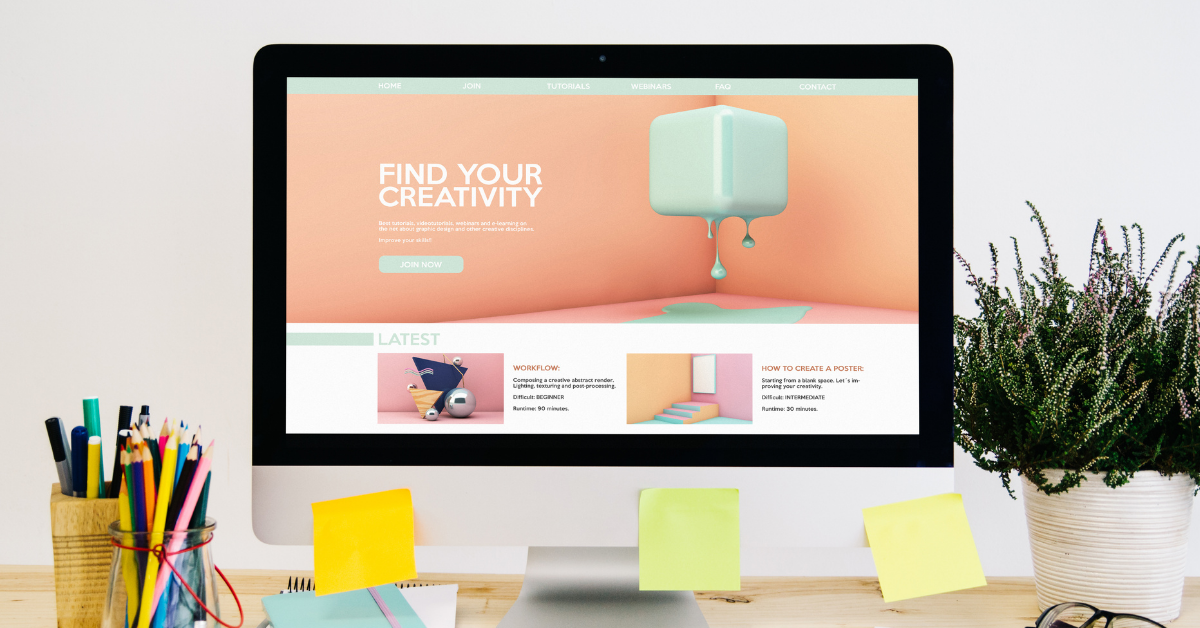
Interactive elements are becoming increasingly popular because they encourage visitors to spend more time on a website.
Examples include:
- Interactive calculators
- Product configurators
- Animated transitions
- Hover effects
- Interactive infographics
- Scroll-triggered animations
When used strategically, interactive elements can increase engagement without negatively affecting website performance.
6. Accessibility-First Website Design
Accessibility is no longer optional. Businesses must ensure that websites are usable for all visitors, including those with disabilities.
Accessibility best practices include:
- Alternative text for images
- Keyboard-friendly navigation
- Proper color contrast
- Screen reader compatibility
- Clear content structure
Accessible websites not only improve user experience but can also support SEO efforts and help businesses reach a broader audience.
7. Visual Storytelling Through Rich Media
Modern consumers connect with brands through stories rather than sales messages.
Visual storytelling allows businesses to communicate their mission, values, and unique selling points using:
- Videos
- Custom graphics
- Illustrations
- Interactive content
- Customer success stories
Rich media content creates emotional connections and improves user engagement.
Also Read : How to Choose the Best Web Design Company for Your Brand
8. Conversion-Focused Website Design
A beautiful website means little if it fails to generate leads or sales.
Conversion-focused design prioritizes user actions through:
- Strategic calls-to-action
- Trust signals
- Simplified forms
- Social proof
- Optimized landing pages
Businesses should design every page with a specific objective in mind, whether it’s generating inquiries, booking consultations, or completing purchases.
9. AI Search and GEO-Friendly Website Structures
The rise of AI-powered search platforms such as ChatGPT, Google AI Overviews, Gemini, and Perplexity is changing how websites gain visibility online.
To improve visibility in AI search results, websites should focus on:
- Clear content structures
- Schema markup
- FAQ sections
- Semantic SEO
- Topic clusters
- Entity optimization
Businesses that prepare for Generative Engine Optimization (GEO) today will be better positioned to benefit from future search trends.
10. Sustainable and Efficient Web Design
Sustainable web design focuses on reducing unnecessary resources and improving efficiency.
Benefits include:
- Faster website performance
- Reduced hosting costs
- Better user experience
- Improved environmental impact
Efficient websites align with modern consumer expectations and support long-term digital growth.
Common Website Design Mistakes to Avoid
While implementing new trends, businesses should avoid:
- Slow-loading pages
- Overcomplicated navigation
- Excessive animations
- Poor mobile experiences
- Weak calls-to-action
- Outdated layouts
- Accessibility issues
Avoiding these mistakes can significantly improve user satisfaction and website performance.
How to Choose the Right Website Design Strategy
Every business has unique goals, audiences, and requirements.
When planning a website redesign:
- Define business objectives.
- Understand user needs.
- Prioritize user experience.
- Focus on SEO and performance.
- Measure results regularly.
- Adapt to changing trends.
A strategic approach ensures your website supports both short-term and long-term business growth.
Partner with Pixel That Marketing for Future-Ready Website Design
At Pixel That Marketing, we specialize in creating modern, SEO-friendly, and conversion-focused websites that help businesses increase traffic, engagement, and sales. Our team combines cutting-edge design, technical expertise, user experience optimization, and digital marketing strategies to build websites that deliver measurable results.
Whether you’re launching a new website or redesigning an existing one, we help businesses stay ahead of evolving web design trends while maximizing online visibility and conversions.
Contact Pixel That Marketing today to discover how a professionally designed website can help your business grow in 2026 and beyond.
Conclusion
Website design trends in 2026 are centered around creating faster, smarter, and more personalized user experiences. Businesses that embrace AI-driven personalization, mobile-first design, accessibility, performance optimization, and conversion-focused strategies will be better positioned to attract visitors and turn them into customers.
Investing in modern website design is no longer optional—it’s essential for businesses looking to increase traffic, engagement, and sales in an increasingly competitive digital environment.
FAQs
Q1. What are the most important website design trends for 2026?
The most important website design trends for 2026 include AI-powered personalization, mobile-first design, ultra-fast website performance, accessibility-focused layouts, interactive user experiences, and conversion-driven design strategies that improve engagement, search visibility, and online sales.
Q2. How can modern website design help increase website traffic?
Modern website design improves traffic by enhancing user experience, reducing bounce rates, increasing page speed, supporting SEO best practices, and making content easier for search engines and AI-powered search platforms to understand and rank.
Q3. Why is mobile-first website design important in 2026?
Mobile-first design is essential because most users access websites through smartphones. A mobile-friendly website provides better navigation, faster loading times, improved user engagement, and stronger search engine rankings, leading to higher conversions and customer satisfaction.
Q4. How does AI impact website design and user experience?
AI helps websites deliver personalized experiences by analyzing visitor behavior and displaying relevant content, product recommendations, and calls-to-action. This improves user engagement, increases conversion rates, and creates a more customized browsing experience.
Q5. What should businesses prioritize when redesigning their website in 2026?
Businesses should prioritize website speed, mobile responsiveness, accessibility, SEO optimization, user experience, clear calls-to-action, and AI-search readiness. Focusing on these elements helps increase traffic, improve engagement, and generate more leads and sales.